
Colorado County Three-Day Release Route
The official Colorado County Sheriff Jail Division page is a contact page, not a roster. It offers no booking rows, release archive, three-day filter, public cadence, or online retention rule. The Sheriff navigation reviewed in August 2026 also exposed no vendor feed. This negative finding means a claimed live Colorado County 72-hour list would be false.
Start with the Jail Division. Ask for existing release events whose book-out timestamps fall inside a stated three-day interval. A 72-hour period is not always the same as three named calendar dates. Write the precise start, end, time zone, and query time. That distinction prevents an event near midnight from falling outside the request.
Check Colorado County 72-Hour Releases
A bounded request avoids the loose phrase “the last few days.” It identifies existing records and lets another reader reproduce the period. If the goal is one person rather than the whole interval, the Colorado County release search and records guide explains how to combine jail and court evidence.
- Choose a start and end exactly 72 hours apart and include Central Time.
- Call Jail Division at 979-732-2388 extension 2 and ask which existing report is keyed to book-out time.
- Use the Sheriff’s county page and Open Records Request Procedures to submit the interval in writing.
- Request the documented release fields and accept any lawful redactions.
- Sort by the actual book-out timestamp, not arrest date or docket-entry date.
- Follow each transfer in the receiving state, county, federal, or immigration system.
The agency need not create a new analysis. Ask for the closest existing report if “72-hour release list” is not its internal name.
Colorado County Release Fields
No online Colorado County feed publishes a field set. These are request fields documented in the research, not promises about what a webpage shows. Supply a full name, birth date if known, booking number if known, and approximate arrest or release date so staff can identify the correct event.
| Requested field | What it can establish |
|---|---|
| Book-in and book-out date/time | The recorded span of Colorado County custody and whether the event falls inside the chosen day. |
| Booking number | The jail event tied to the correct person and arrest. |
| Release type or authority | Whether the departure followed bond, a court order, time served, sentence completion, or another basis. |
| Transfer destination | The receiving agency when that information is public. |
| Charges at release | The booked matters associated with the event, not proof of guilt. |
| Bond disposition | The bond event recorded when release was bond-based. |
Juvenile law, an expunction, a court order, protected identifiers, victim information, active investigative material, or security concerns can require withholding or redaction. A narrow request is more useful than assuming every field must be disclosed.
Colorado County Release Destinations
A 72-hour report counts departures from county custody. It should not label every row as a person who returned home. A surety or personal bond, dismissal, time-served judgment, completed county sentence, or other release order can lead to the community. A felony commitment may send the person to the Texas Department of Criminal Justice. Another warrant may send the person to another sheriff.
Federal paths differ. A federal writ or detainer may lead to the United States Marshals Service, while an immigration detainer may lead to ICE. Search the TDCJ inmate search only when the jail identifies state custody. That screen lists people currently incarcerated in TDCJ, so a match means continued state confinement rather than release from all custody. Use BOP, USMS or federal court, and ICE ODLS for their respective systems.
Note: Released from Colorado County custody is the safe description until the receiving authority or community release is confirmed.
Colorado County Weekend Release Window
A rolling 72-hour request is most useful when normal office schedules and calendar labels obscure the event. A Friday-to-Monday span may include bond processing, court orders entered before offices close, sentence completions, and transfers processed at different times. A holiday can create the same issue. None of that proves a special Colorado County weekend policy. The Sheriff publishes no such policy on the Jail Division page.
Keep three clocks separate: physical book-out time, the source system update time, and the time the record was obtained. A docket may show when an order was filed, not when jail staff completed release. VINE may show a later agency-fed status date. The jail release event remains the source for the county book-out timestamp.
Three named dates are not always 72 consecutive hours. State both endpoints and ask whether the report uses book-out time. If a result falls just outside the period, run a new and clearly labeled interval rather than silently moving the boundary.
Review the Texas Attorney General’s Public Information Act overview.
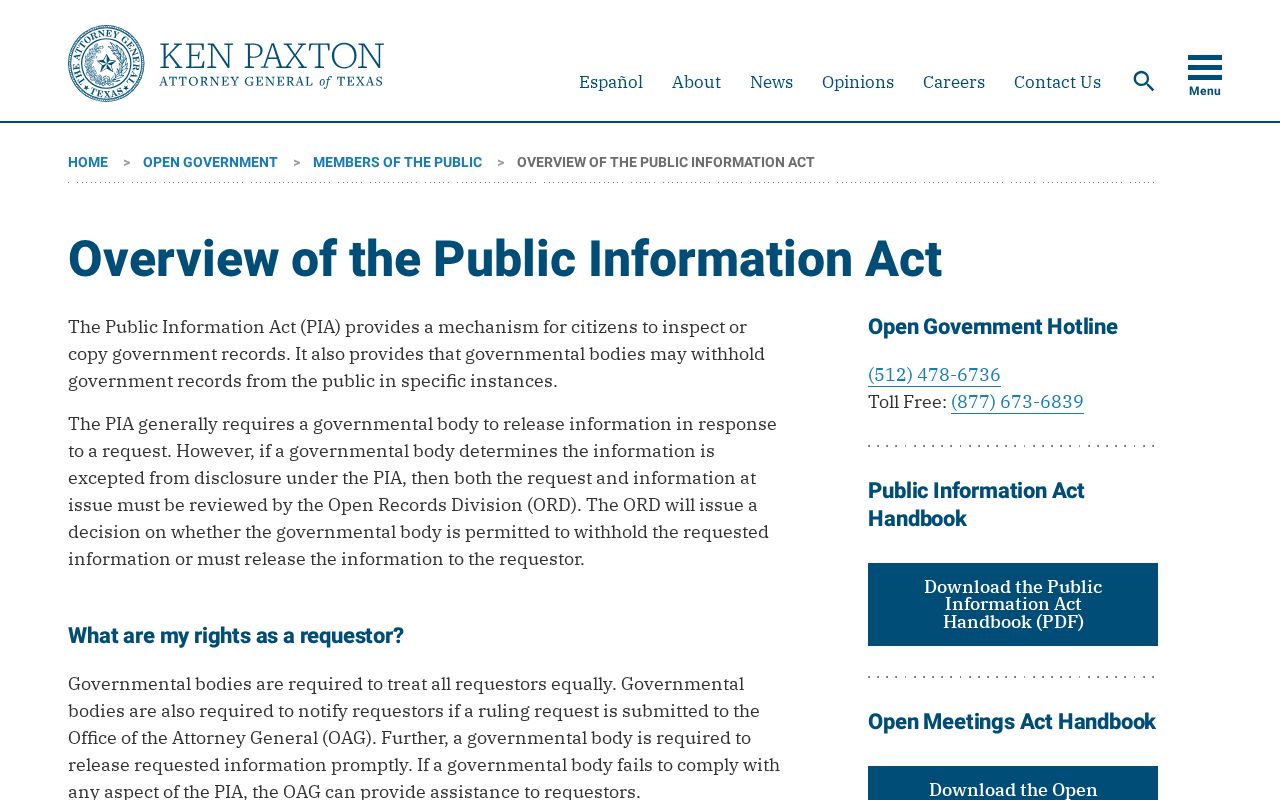
The state overview supports a narrow request to the Colorado County Sheriff for existing release events within the stated period.
Colorado County Release News Context
The Sheriff’s home page links The Banner Press, Colorado County Citizen, and Weimar Mercury. Those local outlets can preserve dated reporting about a notable arrest, court event, or public-safety incident when the jail page has no archive. News is secondary evidence. It is neither a complete list of releases nor the keeper of the book-out timestamp.
Use a report as a lead, then check the Sheriff and the correct clerk. County-level criminal matters may appear through the Colorado County Clerk’s criminal-record portal. Felony district matters are maintained by the District Clerk. A judgment, dismissal, bond order, sentence, or jail-credit entry may explain why custody ended, though it may not show when the door opened.
Colorado County Court Release Check
The court trail helps interpret a same-day jail event. Colorado County divides criminal records among several offices, so one search may not cover the filed matter. The County Clerk links a Tyler Odyssey portal for county-level criminal cases. The District Clerk keeps felony district records and provides public search terminals. Justice courts handle their limited criminal docket and preliminary matters. Match the clerk to the cause rather than assuming every booking resulted in a district case.
Search by full name and a narrow date range. Confirm the cause number, court, charge, filing date, and identifiers before relying on a result. Then read the docket for a bond order, dismissal, judgment, sentence, jail credit, commitment, probation order, or revocation. A signed court order can explain the legal basis for release, but it is not a substitute for the Sheriff’s exact book-out timestamp.
Timing also matters. A court may sign an order before jail staff complete identity checks, property return, paperwork, and other release processing. A docket event entered after the fact may look later than the physical departure. Preserve both dates and describe what each source proves. When the court record and oral jail answer seem inconsistent, request the existing jail release event and the signed order rather than choosing one source by guesswork.
Reading Colorado County Release Terms
Release labels have narrow meanings. “Released on bond” means pretrial custody ended under bond terms; it does not mean the charge was dismissed. “Time served” generally means credited confinement satisfied the sentence, but the judgment controls. “Transferred” means Colorado County custody ended while another authority may still hold the person.
Parole is conditional community release from a state prison sentence. Discharge generally means the sentence ended. Neither term belongs on a county event unless the record uses it. A death also ends custody but must never be grouped with community releases. Clear labels protect a three-day report and tell the reader which agency comes next.
Released Versus Colorado County Custody
Colorado County has no public live roster on the reviewed website, so roster presence cannot be the local test. Call the jail for current facility status. Request the written release event when the distinction matters. If the answer is only “not here,” ask for the public book-out time, event type, and receiving authority.
Texas VINE can add a fast notification layer when a participating agency supplies the record. Confirm the agency and identifiers, then preserve the exact status and date. “Released,” “out of custody,” and “transferred” are not synonyms. VINE can lag, so confirm an alert with the Sheriff.
The narrower Colorado County 24-Hour Release List guide is better for a same-day check. In either window, place the source timestamp and time zone beside the result.